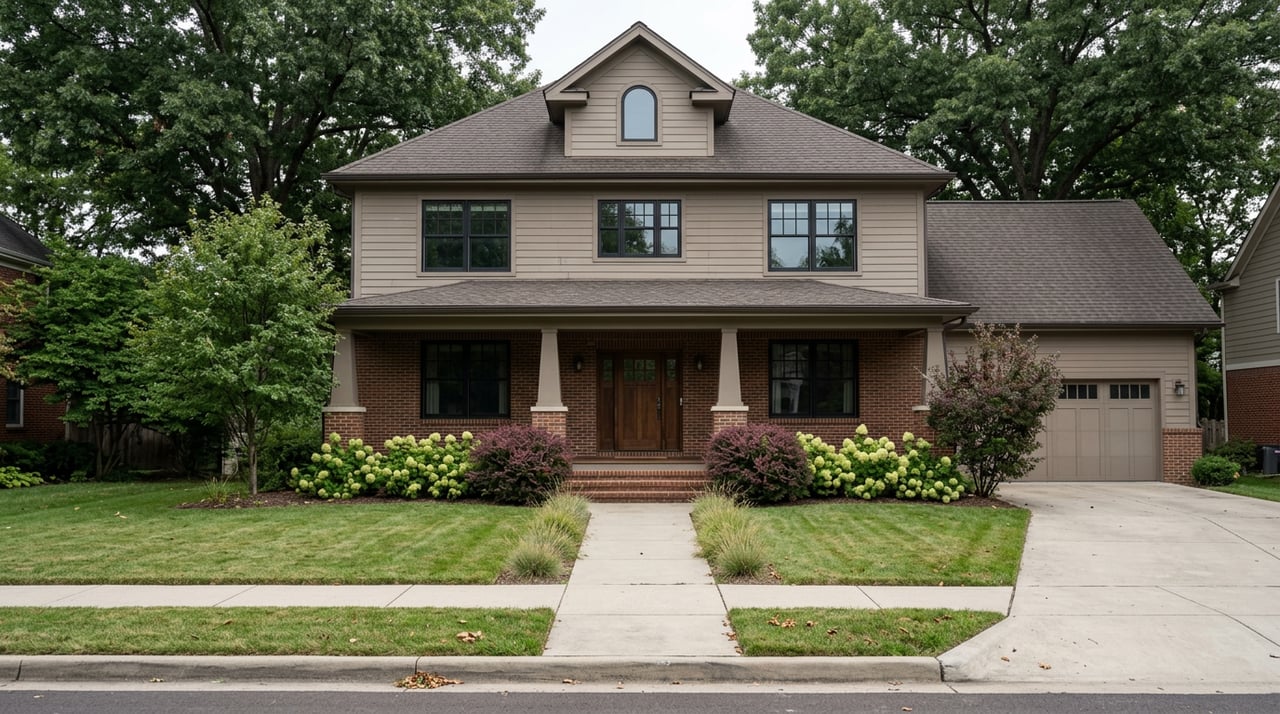
If you have lived in your Chelsea home for many years, downsizing can feel both practical and deeply personal. You may be ready for less maintenance, a simpler layout, or a move closer to daily support, but that does not make the decisions easy. The good news is that a thoughtful plan can help you protect your time, energy, and peace of mind while making smart choices for your next chapter. Let’s dive in.
Why downsizing matters in Chelsea
Chelsea is a place where many people stay for a long time, and that shapes how downsizing works here. The city’s 2025 estimated population is 5,424, about 34.5% of residents are age 65 or older, and the owner-occupied housing rate is 63.0%.
That local context matters because downsizing often starts after a long stretch of homeownership. When you have built a life in one home over many years, the move is not just about square footage. It is about timing, priorities, paperwork, and the emotional weight of deciding what comes next.
Chelsea’s housing market also supports a measured approach. Recent market trackers show a range of values, with Zillow reporting an average home value of $421,600 as of May 31, 2026, Redfin reporting a median sale price of $366,581 in May 2026, and Realtor.com describing Chelsea as a balanced market where homes sold for about asking price on average.
For you, that means a rushed plan is usually not necessary. A careful prep-and-price strategy often makes more sense than trying to force quick decisions.
Start planning earlier than you think
One of the most helpful things you can do is begin before you feel fully ready. Downsizing almost always takes longer than people expect, especially when the home has decades of memories, paperwork, furniture, and family keepsakes.
Starting early gives you room to make thoughtful choices instead of last-minute ones. It also helps you separate the move into smaller, more manageable steps so the process feels less overwhelming.
A simple way to begin is to break the move into phases:
- Decide your goals for the next home
- Review your likely timing for selling
- Sort what you will keep, donate, sell, or discard
- Gather important financial and property documents
- Talk with family about expectations and support
- Build a timeline for home prep and moving logistics
Even a loose plan can reduce stress. Once you know your broad timeline, each next decision gets easier.
Decide what your next home needs to do
Downsizing is not just about buying less house. It is about choosing a home that fits the way you want to live now.
In Chelsea, that often means comparing a condo, a smaller detached home, or a move closer to family or everyday services. The right choice depends less on headline price and more on how the home will support your routine.
Ask yourself practical questions such as:
- How much exterior maintenance do you want to handle?
- Do you want one-level living or fewer stairs?
- How much storage do you truly need?
- Would a smaller kitchen, garage, or yard feel freeing or frustrating?
- How important is it to be closer to family, transportation, or meal support?
- Do you want more built-in convenience in your next location?
These questions can clarify your priorities early. They also help you avoid buying a home that is smaller, but not actually easier.
Sort the house before you list it
For many households, the hardest part of downsizing is not selling the home. It is deciding what stays, what goes, and what matters most.
A phased sorting process is usually the most manageable approach. Start with low-pressure areas first, then work toward rooms or items with more emotional weight.
It often helps to create clear categories:
- Keep for the next home
- Give to family or friends
- Donate
- Sell
- Dispose of
- Store temporarily if a final decision is not yet clear
Try to identify keepsakes early. Family photos, heirlooms, legal papers, tax records, medical documents, and sentimental items should be separated from everyday household contents so they do not get lost in the shuffle.
If adult children or relatives are involved, clear communication matters. It is often better to invite input on a set timeline rather than leave every item open for discussion.
Let family help without losing control
Family support can be a gift, but it works best when everyone understands their role. The goal is to make the process easier for you, not more stressful.
A helpful approach is to assign clear tasks. One person might help with paperwork, another with donation drop-offs, and another with measuring furniture for the next home.
It also helps to set boundaries early. If you want advice but do not want others making final decisions for you, say so plainly and kindly.
You can also keep family conversations focused on practical questions like:
- What needs a decision this month?
- What can wait?
- Who is handling each task?
- What items need family input?
- What is the move budget?
That structure can prevent misunderstandings. It keeps the process supportive instead of chaotic.
Know when a senior move manager can help
If the logistics feel too heavy, you do not have to do everything yourself. A senior move manager may be worth considering, especially if the move involves a lot of organizing, space planning, or coordination.
According to the National Association of Senior & Specialty Move Managers, providers may help with organizing, decluttering, downsizing, space planning, disposal of unwanted items, mover coordination, unpacking, and resettlement. Many offer partial-service options, which means you may be able to get help only where you need it most.
That can be useful if you want support without handing over the entire process. For example, you may want help planning the new space, coordinating movers, or setting up the new home after the move.
Use Chelsea-area support resources
A thoughtful downsizing plan is not only about the real estate side. It is also about daily support while you prepare, move, and settle in.
Chelsea has local resources that may help lighten the load. The Chelsea Senior Center says its C2S2 program can refer seniors to in-home care, house cleaning, handyman services, and transportation. ROAM provides transportation options, and the Senior Nutrition Program serves meals for adults age 60 and older.
Washtenaw County also operates senior nutrition programs, including home-delivered meals and senior cafes. The Chelsea Senior Center describes itself as a resource hub and advocate for older adults in the Chelsea area, with more than 200 activities and programs each month and a hot noon meal in the Senior Café.
These kinds of services can make a real difference during a move. They can also help support a smoother transition after you relocate.
Prepare your Chelsea home for sale
Once you know your plan, the next step is getting your current home ready for the market. In a balanced market like Chelsea, thoughtful preparation matters.
That usually means focusing on presentation, condition, and pricing rather than assuming the home will sell itself. If you have lived in the home for many years, even a few simple updates and careful editing of personal belongings can help buyers see the space more clearly.
Common prep steps include:
- Decluttering rooms and storage areas
- Removing excess furniture
- Completing small repairs
- Cleaning thoroughly
- Organizing paperwork related to the home
- Creating a plan for anything left after moving day
Because every home and seller situation is different, prep should match your timeline, energy, and goals. The key is to make the home feel cared for and easy to understand.
Understand Michigan PRE rules before you move
One of the most important Michigan-specific issues in a downsizing move is the Principal Residence Exemption, often called PRE. This is separate from the Homestead Property Tax Credit, and it is important not to confuse the two.
PRE exempts an eligible principal residence from local school operating millage, up to 18 mills. When a home is no longer your principal residence, a Request to Rescind PRE generally must be filed within 90 days.
Michigan also allows a conditional rescission in some cases. That can let you keep PRE on the old home for up to three years while it is for sale, vacant, not leased, and not used for business, with annual Form 4640 verification due by December 31.
This can be especially important if you move out before your home sells. If you expect the property to sit vacant during the listing period, understanding whether you qualify for conditional rescission is a key step.
Michigan also recognizes some special occupancy situations, including certain nursing home or assisted-living-related absences. In those cases, the owner still needs to show intent to return and maintain documentation of occupancy.
Do not confuse PRE with the Homestead Property Tax Credit
The Homestead Property Tax Credit is a separate Michigan tax benefit. It is not the same as PRE, and one does not replace the other.
In 2026, Michigan Treasury said eligible homeowners or renters generally needed total household resources of $71,500 or less, and homeowners’ taxable value had to be $165,400 or less. The credit can be filed with or without a state return.
For some households, this may help soften the transition during a move. If you think you may qualify, it is worth reviewing early as part of your overall downsizing plan.
Think ahead about sale proceeds and taxes
Many homeowners also want to understand whether taxes will affect the sale itself. While every situation is different, federal guidance says many sellers may be able to exclude up to $250,000 of gain from the sale of a main home, or up to $500,000 for some joint filers, if the ownership and use tests are met.
That matters because tax planning can affect your timing and next-step budget. Federal guidance also notes that a condominium can qualify as a main home, which is useful if your downsizing target is a condo.
Because this piece of the move can affect your net proceeds, it helps to raise the question early rather than wait until closing is near. Good planning gives you more confidence in what you can spend on the next home.
Build a downsizing timeline that feels manageable
A calm move usually comes from a realistic timeline. In a balanced market like Chelsea, you may have room to plan this in stages instead of trying to do everything at once.
A practical downsizing timeline often looks like this:
Two to six months before listing
- Define goals for your next home
- Begin sorting and decluttering
- Review PRE status and property paperwork
- Identify local support services or family roles
- Explore whether a senior move manager would help
One to two months before listing
- Finish key repairs and cleaning
- Remove unneeded furniture and personal items
- Finalize donation, sale, or disposal plans
- Refine your moving timeline
- Start evaluating next-home options more closely
While your home is on the market
- Keep the home show-ready if possible
- Track any PRE-related deadlines if you move out
- Confirm moving help, transportation, and support services
- Stay focused on fit, not just speed, for the next home
After you move
- Update mailing addresses and key records
- Verify any tax-related filings still needed
- Unpack priority rooms first
- Give yourself time to adjust emotionally as well as practically
A plan like this does not remove every challenge. It does make the process easier to manage one step at a time.
A thoughtful move can protect your peace of mind
Downsizing in Chelsea is rarely just a real estate decision. It is a life transition that touches finances, family, routines, and the memories attached to your home.
With the right preparation, the move can feel lighter and more organized. You can make room for what matters, reduce avoidable stress, and choose a next home that truly supports your day-to-day life.
If you are starting to think about a downsizing move in Chelsea, working with a calm, locally informed advisor can make the process much easier. When you are ready to talk through timing, pricing, home prep, or your next-step options, schedule a free consultation with Stephen Hollowell.
FAQs
When should you start planning a downsizing move in Chelsea?
- It is usually best to start earlier than you think, since sorting possessions, discussing family expectations, preparing the home for sale, and reviewing Michigan property-tax steps often take longer than expected.
What is the Michigan Principal Residence Exemption for a Chelsea homeowner?
- The Michigan Principal Residence Exemption, or PRE, exempts an eligible principal residence from local school operating millage up to 18 mills, and if the home is no longer your principal residence, a Request to Rescind PRE generally must be filed within 90 days.
Can you keep PRE on your old Chelsea home while it is for sale?
- In some cases, yes. Michigan allows a conditional rescission that can keep PRE on the old home for up to three years while it is for sale, vacant, not leased, and not used for business, with annual Form 4640 verification due by December 31.
How can family help with a Chelsea downsizing move without taking over?
- Family can help best by taking on clearly defined tasks such as paperwork, donation runs, scheduling, or measuring furniture, while you keep decision-making authority and set clear boundaries.
When is a senior move manager worth hiring for a Chelsea move?
- A senior move manager may be worth hiring when organizing, decluttering, space planning, mover coordination, unpacking, or resettlement feels too overwhelming to manage alone, especially since many providers offer partial-service help.
What local support is available during a downsizing move in Chelsea?
- Chelsea-area support may include referrals through the Chelsea Senior Center’s C2S2 program for in-home care, house cleaning, handyman services, and transportation, plus ROAM transportation and local senior nutrition programs including meals and senior cafes.
What should you look for in your next home after selling in Chelsea?
- Focus on lifestyle fit, including maintenance needs, stairs, storage, accessibility, and proximity to family or services, rather than looking only at purchase price or square footage.