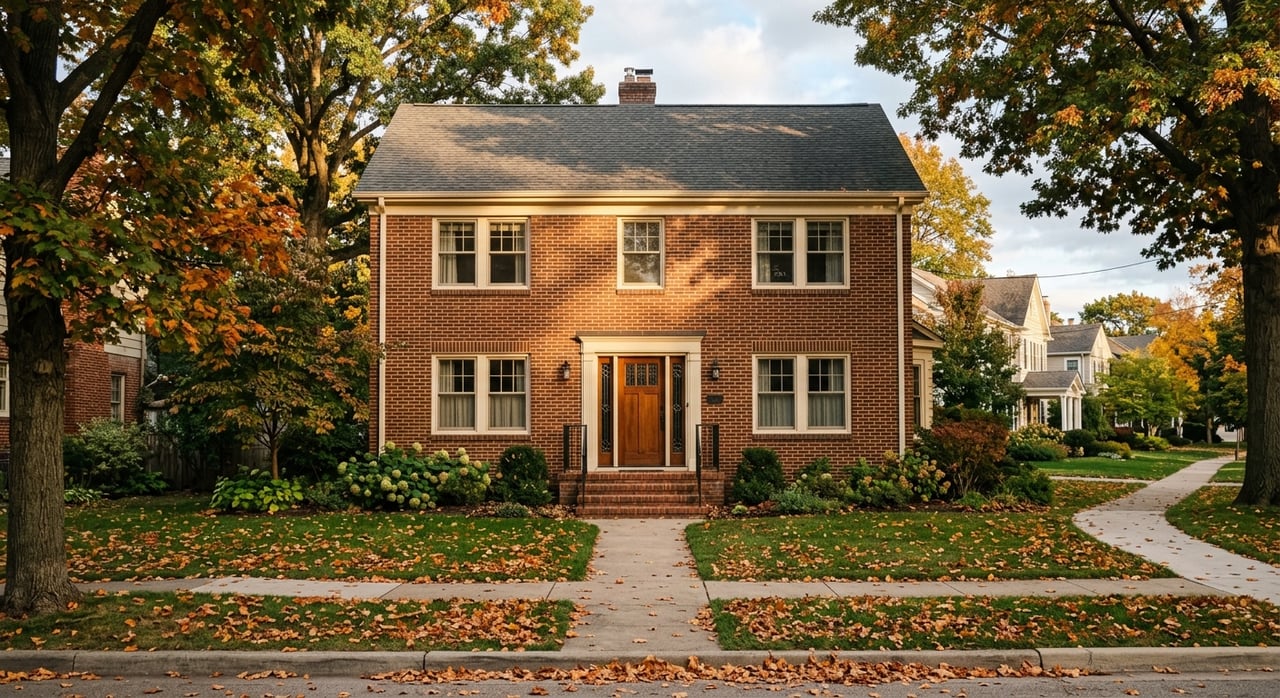
If you are moving to Ann Arbor, one of the first surprises is how different the city’s close-in neighborhoods can feel within just a few blocks. You may be looking for a walkable daily routine, a quieter residential street, or a historic home with real character, and the right fit often comes down to neighborhood nuance. In this guide, you’ll get a practical look at what life is like in Ann Arbor’s core neighborhoods so you can compare the feel, housing mix, and lifestyle tradeoffs with more confidence. Let’s dive in.
Why Ann Arbor’s core feels different
Ann Arbor’s downtown-adjacent neighborhoods are unusually compact and amenity-rich for a Midwest city. The city reports 162 park properties, and downtown scores very high for walkability, transit use, and biking. City data and current market sources also point to a downtown area where daily errands, dining, and recreation can often happen without much car dependence.
For many buyers and relocators, the practical "core" includes Kerrytown, Downtown, Old Fourth Ward, Old West Side, Water Hill, and Burns Park. These areas sit close to downtown or central campus, so everyday life often means shorter trips, older homes, small parks, and noticeable block-by-block changes in housing type and price. That variety is part of the appeal, but it also means you need to look closely at each pocket rather than assume one neighborhood label tells the whole story.
Kerrytown, Downtown, and Old Fourth Ward
Expect a walk-everywhere lifestyle
If your ideal day includes coffee, a market stop, dinner out, and an easy walk home, this is the clearest match. Downtown Ann Arbor is identified in the city’s housing assessment as the city’s most walkable neighborhood, with a Walk Score of 92, Transit Score of 72, and Bike Score of 86. Redfin currently rates Downtown even higher for walking and biking, which reinforces the same basic takeaway: this is Ann Arbor’s most urban, connected environment.
The city also describes downtown as home to bookshops, independent boutiques, and more than 200 restaurants. Ann Arbor’s biking network adds to that convenience, with 90.2 lane-miles of on-street bike lanes and 35.3 miles of shared-use paths. If you want everyday access to shops, dining, and car-light living, this part of the city stands out.
Kerrytown has a market-centered feel
Kerrytown feels like one of the most active and distinctive pockets in the core. The district grew out of the original village of Ann Arbor and later evolved into a mix of markets and shops. Today, it includes the Ann Arbor Farmers’ Market, Kerrytown Concert House, the Ann Arbor Artisans’ Market, antique stores, and well-known food destinations.
The city describes Sculpture Plaza as the seam between downtown and Kerrytown, which is a useful way to think about the area. You are close to the energy of downtown, but Kerrytown has its own identity tied to local businesses, market activity, and historic brick buildings. Just north of downtown, Wheeler Park adds a playground, walking track, basketball court, shelter, and a snow-cleared path.
Old Fourth Ward adds historic residential character
Old Fourth Ward works as the residential counterpoint to downtown and Kerrytown. According to the Ann Arbor District Library, the neighborhood has one of the city’s strongest collections of 19th- and early 20th-century residential buildings. Styles include Greek Revival, Gothic Revival, Italianate, Queen Anne, Shingle, and Colonial Revival.
If you love older homes and want to be near downtown without living in the middle of it, Old Fourth Ward often gets your attention quickly. It offers a more residential streetscape while still keeping you close to markets, restaurants, and the city center. That blend of convenience and architectural character is a big part of its appeal.
Prices vary sharply here
This part of Ann Arbor shows just how mixed the core can be. Current market data shows a median sale price of about $490,000 for Downtown Ann Arbor overall, around $692,000 for downtown condos, about $700,000 in the Kerrytown District, and about $568,000 in Old Fourth Ward. Listings in Kerrytown and Old Fourth Ward currently range from the high $500,000s to nearly $2 million and up.
For you, that means one neighborhood name can include very different living options. A condo, a historic house, and a newer infill property may all sit within the same general area, but offer very different space, upkeep, and pricing.
Old West Side
Expect a quieter residential feel
Old West Side is one of Ann Arbor’s most established close-in neighborhoods. The neighborhood association describes it as mostly residential, with parks, shops, small businesses, some multifamily buildings, and mostly single-family homes on tree-lined streets. It sits close enough to downtown to stay connected, but it tends to feel calmer and more neighborhood-first.
This is often the area people picture when they imagine classic Ann Arbor residential character. The homes, mature streetscape, and historic setting create a strong sense of place. If you want proximity to downtown without a fully downtown feel, Old West Side is a natural contender.
Historic homes define the area
Most structures in Old West Side date from 1850 to 1925. The neighborhood association describes the homes as eclectic revival styles with short front yards, and it identifies the district as the largest and oldest historic district in Ann Arbor as well as the city’s first streetscape historic district.
That history gives the neighborhood a distinct look and rhythm. You are less likely to find one dominant housing style and more likely to see variation in architecture, scale, and updates from one block to the next. For buyers who value charm and architectural detail, that can be a major draw.
Park access adds to daily life
Wurster Park gives Old West Side an extra layer of neighborhood appeal. The city describes it as a 5.5-acre hill park with large oak trees, native pollinator gardens, champion trees, a playground, a sand volleyball court, and skyline views. It is the kind of park that supports simple everyday use rather than destination-style recreation.
That matters because close-in living is not just about restaurants and shops. It is also about whether you have inviting outdoor space woven into your routine. In Old West Side, that quieter neighborhood-scale access is part of the lifestyle.
Prices reflect the location and character
Redfin shows the Old West Side at a median sale price of about $1.03 million, with a Walk Score of 73, Transit Score of 58, and Bike Score of 81. In practical terms, that points to a neighborhood that is very usable without being as intensely urban as downtown. You can stay close to the center while living in an area that feels more residential first.
Water Hill
Expect topography and a distinct identity
Water Hill stands out because of its landscape and setting. The neighborhood is bounded by Miller, Brooks, Sunset, and the railroad tracks, on the northwest edge of downtown. Its name is tied to old streams, a water-treatment plant, and the Huron River and Argo Cascades at the base of the neighborhood’s eastern bluffs.
That topography gives Water Hill a different feel from flatter parts of the core. Even though it is close to downtown, it can feel slightly set apart from the grid. For some buyers, that small sense of separation is exactly the point.
Community identity is a big part of the appeal
The neighborhood’s music-festival page highlights Water Hill’s community-driven identity. While every buyer experiences a neighborhood differently, Water Hill is often associated with a strong local feel and a sense of place that goes beyond proximity alone. It is one of those areas where the setting and neighborhood identity both shape the experience.
Pricing tends to be premium
Current market data from Redfin shows Water Hill at a median sale price of about $1.2 million, with recent sales around $760,000 and $1.1945 million. That range helps show how varied individual properties can be, even within a relatively small area. In general, Water Hill reads as a close-in residential pocket where location and character can push pricing higher.
Burns Park
Expect a park-centered lifestyle
Burns Park is often the benchmark for a classic Ann Arbor neighborhood. The city describes the 15-acre Burns Park as just south of central Ann Arbor, with fields, a playground, tennis and pickleball courts, a basketball court, restrooms, parking, and access by foot, bike, and bus. The park also sits next to Burns Park Elementary School and the Ann Arbor Senior Center.
This neighborhood feels organized around that central green space in a very visible way. If you want a close-in area where the park itself shapes the rhythm of daily life, Burns Park offers a strong version of that experience.
The neighborhood has history and range
The city notes that the land was once used as a horse track and fairgrounds before becoming a city park. That history adds another layer to the area’s identity, but the present-day story for buyers is about variety. Burns Park, North Burns Park, and Lower Burns Park are related submarkets, yet they do not all price the same.
Redfin shows North Burns Park at a median sale price of about $998,000 and Lower Burns Park at about $650,000. Recent North Burns Park sales ranged from $688,000 to $1.445 million. That spread is a good reminder that this neighborhood can look very different depending on the street, lot, and home size.
Walkability is solid, but not the same as downtown
North Burns Park has a Walk Score of 71, Transit Score of 57, and Bike Score of 80. Those numbers suggest a well-connected neighborhood, but not one that functions exactly like downtown or Kerrytown. For many buyers, that is the sweet spot: close enough to stay connected, but residential enough to feel a little more relaxed.
Housing styles across the core
Expect variety, not one dominant look
One of the defining traits of Ann Arbor’s core neighborhoods is housing diversity. The city’s historic-building catalog includes Greek Revival, Italianate, Gothic Revival, Queen Anne, Shingle, Colonial Revival or Georgian Revival, and Craftsman or Arts and Crafts styles. In real life, that translates into older single-family homes, brick market buildings, condo conversions, and newer infill.
That variety is part of what makes the core interesting, but it also means shopping here can require more careful comparison. Two homes at similar price points may offer very different tradeoffs in lot size, layout, renovation level, and ongoing maintenance.
Historic district rules can affect renovations
If a home is located in one of Ann Arbor’s local historic districts, exterior work is reviewed under the city’s historic preservation ordinance and design guidelines. That can affect projects like window replacement, additions, or other visible exterior changes. If you are considering an older home, it is smart to understand that process early.
For many buyers, this is not a drawback so much as a planning issue. Historic homes can offer incredible character, but they sometimes come with more rules around exterior updates than a newer property would.
How to choose the right fit
If you want the strongest walk-everywhere lifestyle, easy access to markets and restaurants, and less dependence on a car, Kerrytown, Downtown, and Old Fourth Ward are the clearest fit. If your priority is tree-lined residential streets and historic homes while still staying close to downtown, Old West Side usually rises to the top.
If you want a close-in neighborhood with more topography and a sense of being slightly apart from the downtown grid, Water Hill stands out. If a park-centered lifestyle and a broad mix of home sizes and price points sound most appealing, Burns Park is often the benchmark.
The most important thing to remember is that these are adjacent submarkets, not interchangeable ones. In Ann Arbor’s core, price, condition, lot size, and housing type can shift quickly from one block to the next. A thoughtful neighborhood tour and good local guidance can make a big difference when you are narrowing the field.
If you are trying to figure out which Ann Arbor neighborhood fits your lifestyle, budget, and goals, working with a local advisor can help you compare the details that do not always show up in a listing. You can reach out to Stephen Hollowell for a thoughtful, low-pressure conversation about buying or selling in Ann Arbor.
FAQs
What is considered Ann Arbor’s core neighborhood area?
- In practical terms, many relocators and buyers use the term to describe the downtown-adjacent ring that includes Kerrytown, Downtown, Old Fourth Ward, Old West Side, Water Hill, and Burns Park.
Which Ann Arbor core neighborhood is the most walkable?
- Downtown Ann Arbor is identified by the city’s housing assessment as the city’s most walkable neighborhood, and current market sources also give it very high walkability and bike scores.
What is the lifestyle like in Kerrytown and Old Fourth Ward?
- Kerrytown tends to feel market- and restaurant-centered, while Old Fourth Ward offers more residential historic character close to downtown amenities.
What makes Old West Side different from downtown Ann Arbor?
- Old West Side is generally quieter and more residential, with tree-lined streets, historic homes, and close access to downtown without the same urban feel.
Is Water Hill close to downtown Ann Arbor?
- Yes. Water Hill sits on the northwest fringe of downtown, but its hills and neighborhood identity can make it feel a bit more set apart.
What is Burns Park known for in Ann Arbor?
- Burns Park is known for its central 15-acre park, classic neighborhood feel, and a mix of home sizes and price points across Burns Park, North Burns Park, and Lower Burns Park.
Do Ann Arbor historic districts affect home updates?
- Yes. If a home is in a local historic district, exterior changes may be reviewed under the city’s historic preservation ordinance and design guidelines.
Are home prices similar across Ann Arbor’s core neighborhoods?
- No. Prices can vary significantly by neighborhood, block, housing type, condition, and whether the property is a condo, older home, or newer infill property.