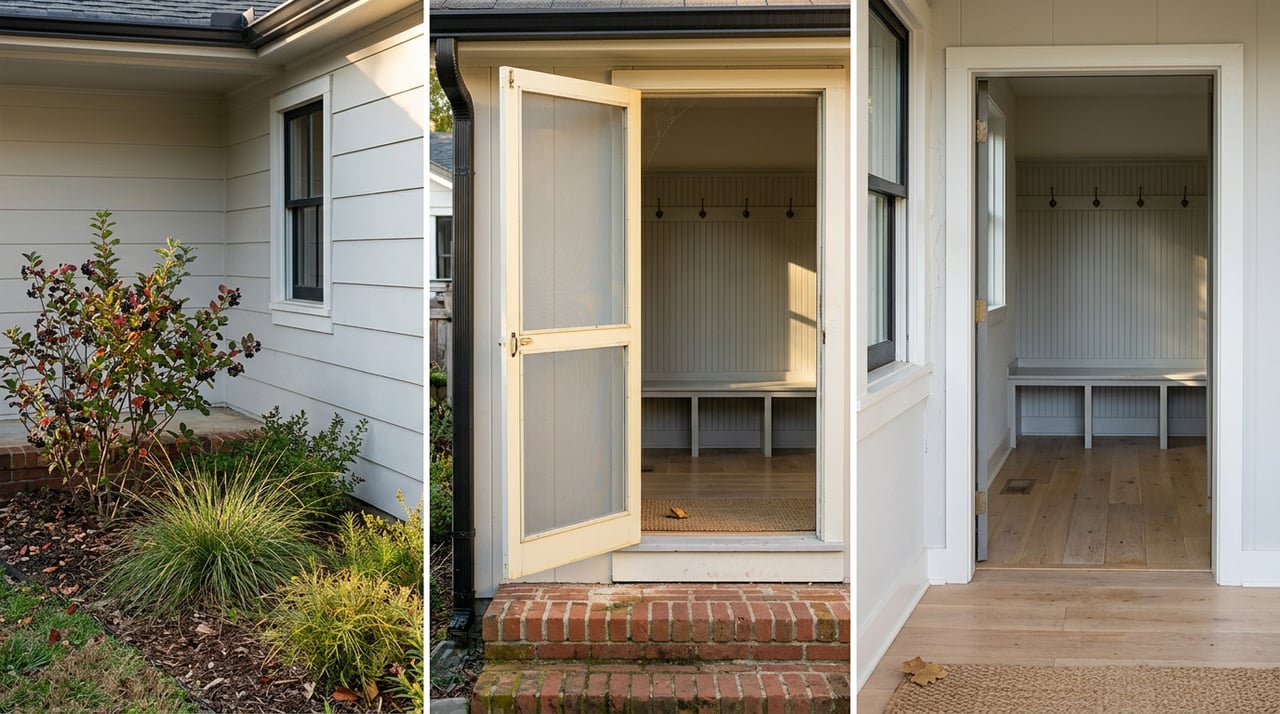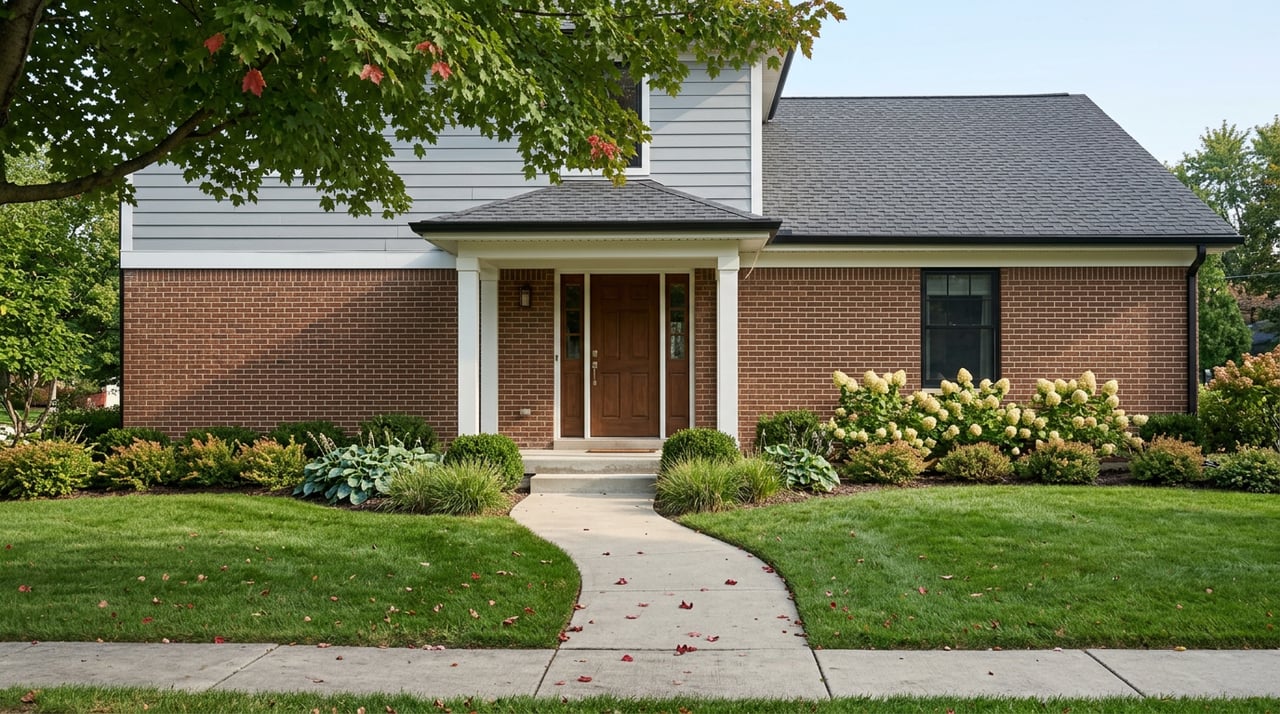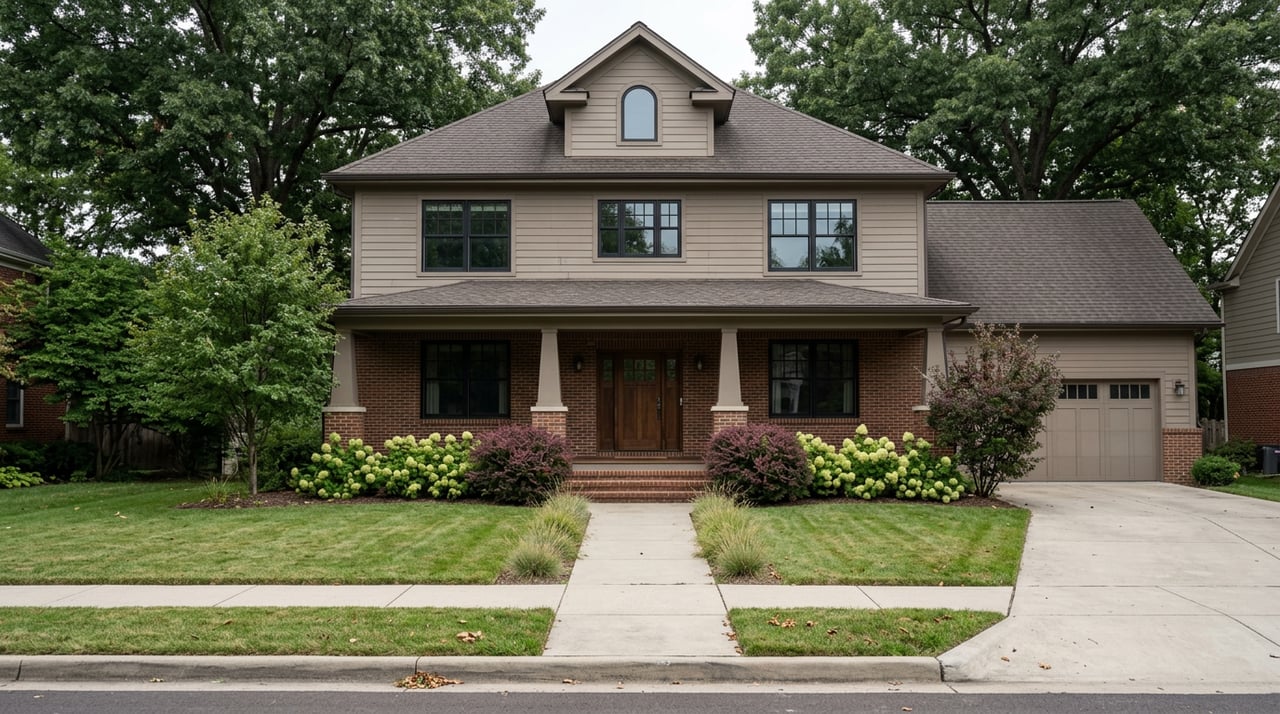
A buyer closes on a house on the Historic East Side in June. By August, a contractor has pulled a permit for new windows, the Historic District Commission has signed off on the design, and the buyer assumes the paperwork is done. Then a call to Michigan's State Historic Preservation Office reveals the tax credit application is a separate track entirely, with its own eligibility test, and the local approval they already secured means nothing to it.
This isn't a hypothetical. The City of Ypsilanti says as much on its own historic preservation page: approval by the Historic District Commission for a project does not signify qualification for tax credits. Two agencies, two applications, two definitions of what counts as historic, and no shared paperwork between them. If you're buying in Ypsilanti's historic core, that gap is the first thing worth understanding, because it's the one most likely to cost you money after closing rather than before it.
Three Systems, Three Clocks
Anyone shopping in Normal Park, the Historic East Side, or the blocks around Depot Town is really navigating three separate regulatory tracks that happen to apply to the same house.
| Track | Who runs it | What it controls | What triggers it |
|---|---|---|---|
| Historic District Commission review | City of Ypsilanti | Exterior changes visible from the street: new construction, additions, restoration, paint, and site features like driveways, retaining walls, and fences | Any exterior work in the local historic district |
| State Historic Preservation Tax Credit | Michigan State Historic Preservation Office | A credit worth up to 25 percent of qualified rehabilitation expenses | A voluntary application, open to owner-occupied residential applicants starting January 2 each year, first come first served |
| Federal lead paint disclosure | Federal law, enforced at the point of sale | Disclosure of known lead paint information, an EPA pamphlet, and a 10-day window for a lead inspection or risk assessment | Any home built before 1978, regardless of historic district status |
None of these three offices checks the other's work. The HDC can approve a renovation on architectural grounds and never touch the question of tax credit eligibility. The state can approve a tax credit application and have no opinion on whether the HDC would sign off on the same scope of work. The lead disclosure clock starts the moment a pre-1978 house goes under contract, independent of either agency, because it's a function of the home's age rather than its historic designation.
What Actually Happens at City Hall
The HDC piece is the one buyers hear about first, and it's narrower than most assume. The commission reviews exterior work only. New construction, additions, restoration, and even a repaint count. So do driveways, retaining walls, and fences. Interior renovations, by contrast, fall outside its jurisdiction entirely, which is why a kitchen gut renovation can move faster than a porch repair on the same block.
Applications are due by 4 p.m. the Friday eleven days before the relevant HDC meeting, filed at the Building Department on the third floor of City Hall or through the city's BS&A Online portal. The city's own guidance recommends bringing a project to the commission as a study item before filing the final application, which is a soft way of saying the eleven-day window is not the time to discover the design won't pass. One narrow exemption exists: touching up paint in the same color doesn't require HDC sign-off. Almost everything else visible from the sidewalk does.
The Credit the City Can't Promise You
The tax credit runs on an entirely different calendar and a different definition of eligibility. Michigan's State Historic Preservation Tax Credit reopened its 2026 application window for owner-occupied residential applicants on January 2, 2026, and the credit is worth up to 25 percent of qualified rehabilitation expenses. To qualify, though, a property has to carry contributing status within a local, state, or National Register historic district, not just sit inside the boundary lines on a map.
That distinction, contributing versus non-contributing, is where Ypsilanti's history gets complicated for anyone buying right now. The city's historic district was last surveyed in 1981. In 2024, Ypsilanti received a grant from the National Park Service and the State Historic Preservation Office to resurvey the district, and the firm Vinewood Preservation Planning completed that work covering 735 properties across the district's more than one thousand historic resources. A public meeting on the results was held in July 2025. In spring 2026, the city began assembling a Historic District Study Committee to formally adopt the resurvey's findings and recommendations into the city's Historical Preservation Ordinance, a process state law requires to include a majority of members with demonstrated preservation expertise.
What that means in practice: the resurvey exists, but it hasn't been codified yet. A house that reads as contributing under the old 1981 survey could see that status confirmed, adjusted, or newly assigned once the study committee's report reaches City Council. Buying before that adoption happens means buying before the final answer on tax credit eligibility is locked in. It's a genuinely open question right now, not a settled fact you can look up and move past.
The Inspection Findings Nobody's Surprised By, Except the Buyer
Set the paperwork aside and the physical condition of these homes carries its own predictable pattern. Local renovation contractors working in Ypsilanti's core describe the same short list of findings on nearly every century-old project: plaster and lath walls, knob-and-tube wiring, cast-iron drains, and framing that has settled over a hundred-plus years. None of it disqualifies a house. All of it changes how a renovation gets priced and sequenced, because a contractor can't fully scope what's behind a plaster wall until demolition starts, which is why timelines on these projects tend to stretch once work is underway rather than before it begins.
Layer the lead paint rule on top of that. Nearly every house old enough to carry knob-and-tube wiring was also built before 1978, which means the seller disclosure requirement applies almost by default in this part of the city. Buyers get a federally guaranteed 10-day window to order a lead risk assessment before the deal has to close, a window worth using given how common pre-1978 construction is in this specific district, not a generic disclaimer that rarely applies.
Why the Neighborhood Names Still Matter
None of this is unique to one street. The Historic East Side, Normal Park, and the blocks bordering Depot Town each carry a genuine mix of architectural eras, from Greek Revival cottages to Queen Anne and Colonial Revival houses, documented for decades through the Ypsilanti Heritage Foundation's annual home tour. The foundation's marker program has recognized more than two hundred homes and buildings since 1976, and its tours have walked buyers through restorations ranging from modest bungalows to full rebuilds of houses that had sat vacant for years. That history is part of what draws buyers to these blocks in the first place. It's also exactly why the paperwork behind a purchase here runs on more tracks than a newer subdivision would.
As of July 2026, the average home value in the Historic East Side sits at $288,689, up 1.9 percent over the prior year, a number that reflects steady but unspectacular appreciation rather than a market moving fast in either direction. That pace gives buyers something increasingly rare: time to actually work through HDC review, a tax credit application, and a lead inspection window without racing a bidding war on top of it.
A Few Questions Worth Settling Before You Write an Offer
Does every exterior change need HDC approval? Nearly all of them do, including fences and driveways, with same-color paint touch-ups as the one clear exception.
If the HDC approves my renovation, does that guarantee the tax credit? No. The city states plainly that HDC approval does not signify tax credit qualification, and the state application runs on its own eligibility standard tied to contributing status.
How do I know if a specific house is contributing? That's worth confirming with the city's Preservation Planner directly, especially while the 2025 resurvey findings are still working through the study committee and City Council adoption process rather than settled into ordinance.
Does the lead disclosure apply if the house was already renovated? The disclosure requirement is tied to the home's construction date, not its renovation history, so pre-1978 houses trigger it regardless of recent updates.
If you're weighing a historic property in Ypsilanti and want a straight answer on where a specific house stands with the HDC, the tax credit, or the inspection questions that tend to surface mid-renovation, Stephen Hollowell can walk through the specifics with you. Schedule a free consultation before you write the offer, not after the permit application is already sitting on someone's desk.