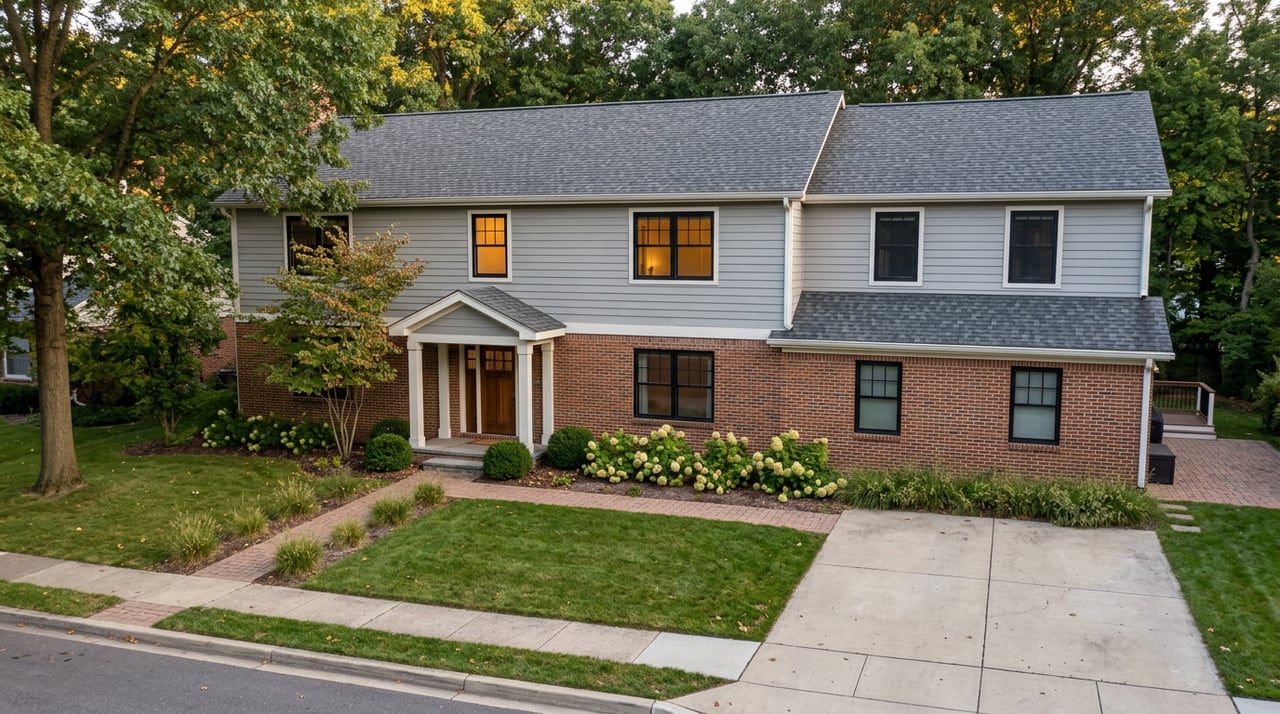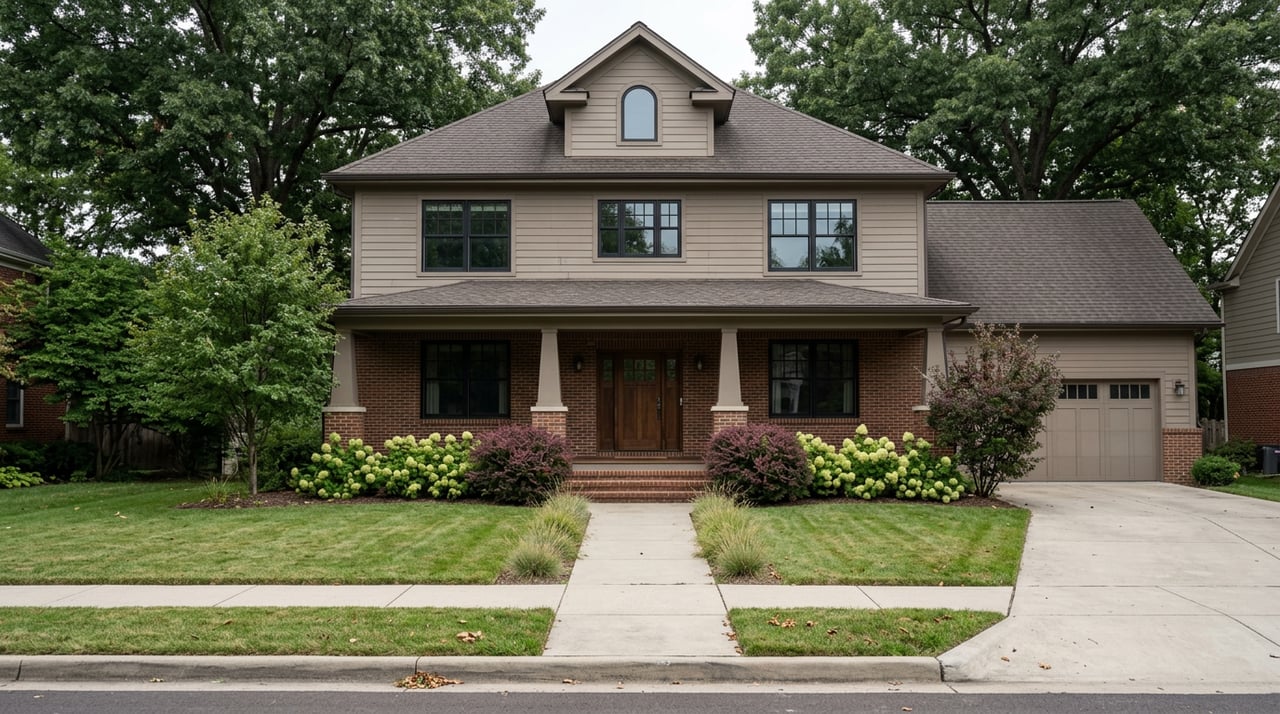
Two houses can sit half a mile apart on the same stretch of road outside downtown Dexter, both listed under the same city name, both drawing the same buyer searches, and require entirely different paths to closing. One connects to the city's wastewater treatment plant and never touches Washtenaw County's septic inspection rules. The other sits on a private well and septic system, and before that sale can close, it has to pass a county-mandated evaluation that most buyers have never heard of until their agent mentions it mid-transaction.
The address doesn't tell you which house you're looking at. The parcel does.
Where the Line Actually Runs
Dexter was a village until 2014, when it incorporated as a city. The core around downtown, along with the subdivisions built inside the municipal service area, connects to the city's public water and wastewater system, which the Department of Public Services runs out of the treatment plant. Step outside that service boundary into Dexter Township, or onto the rural fringe where farmland has been carved into newer parcels, and municipal sewer simply isn't there. Those homes run on private wells and septic systems, the same as they would in any unincorporated part of Washtenaw County.
This isn't a distinction most listing photos or property descriptions make obvious. A buyer comparing two homes under the same city name has no built-in way to know that one sits inside city sewer service and the other doesn't, unless someone tells them or they think to ask.
What Happens Once a Septic System Is on the Table
Washtenaw County runs one of the relatively small number of Time of Sale programs in Michigan, a county-level ordinance that requires an inspection of any on-site well and septic system before the property can legally transfer. If the township parcel you're buying or selling has a septic system, this isn't optional and it isn't something a buyer can waive to speed things along.
The inspection covers the septic system and, if the property has a private well, the well itself. Water samples get pulled and tested, and if the home has a reverse osmosis system installed, an additional sample is required for that too. Once the inspection is filed, the county's Environmental Health Division reviews it and issues a decision, typically within five business days when everything is submitted cleanly. The report stays valid for twelve months, which matters more than it sounds like it should.
Here's what a full Time of Sale evaluation typically runs in 2026:
| Component | Typical Cost |
|---|---|
| Septic and well evaluation | $200 to $450 |
| Tank pumping (usually required) | $250 to $450 |
| Excavation, if the tank needs to be located | $100 to $300 |
| Total for a complete inspection | $450 to $900 |
None of this is expensive by real estate standards. What it costs sellers is time, and time is the thing people underestimate until they're the ones waiting on it.
If the System Fails, the Clock Doesn't Stop, It Resets
A passing inspection moves a closing along without friction. A failing one changes the shape of the transaction entirely. Washtenaw County won't let a sale close on a failing septic system without a plan in place first. The seller needs a corrective action plan, which can be a permit to replace the system, proof of a signed contract to do the repair work, and an escrow account funded at 1.5 times the estimated cost of the repair. All of that has to be submitted and approved before the deed can transfer.
That escrow requirement is the part that catches people off guard. It's not a discount negotiated between buyer and seller. It's a county requirement, sized at one and a half times the repair estimate, sitting in escrow until the work is done. For a seller who assumed a failing system just meant a lower offer, this is a different kind of math, and it's worth knowing before an inspection gets ordered, not after.
Why the Township's Soil Complicates the Repair Conversation
If a septic system does need replacing, the fix isn't uniform across Dexter Township. The soil underneath the township shifts from sandy loam that drains well and supports a conventional drain field, to heavier clay that restricts percolation, sometimes within the same parcel. Add in the Huron River and Mill Creek corridors running through parts of the township, both of which carry setback requirements that limit where a drain field can legally sit, and a straightforward septic replacement on one property can turn into an engineered system on the next, simply because of what's underground and how close the parcel sits to water.
This is why local septic contractors who work Washtenaw County regularly, firms like Zajac Septic LLC, talk about site-specific evaluation as the starting point rather than an afterthought. A repair estimate on a township property isn't a number you can borrow from a neighbor's project. The soil test and the setback review come first, and the estimate follows from what they find.
Timing Is the Real Lever Here
The one detail that changes the whole experience for a seller is when the inspection happens. Because results are valid for twelve months, ordering the evaluation before listing rather than after an offer comes in means any problems surface on the seller's timeline instead of the buyer's. A system that needs repair work discovered in month one of a listing is a manageable project. The same discovery made after a purchase agreement is signed, with a closing date already set, is a scramble that can push the date or unravel the deal.
For buyers, the lesson runs the other direction. If a property you're considering sits in Dexter Township or anywhere outside the city's sewer boundary, ask early whether a current Time of Sale inspection exists and what it found. A twelve-month-old passing report tells you something useful. No report at all tells you the clock hasn't started, and it will need to before you can close.
A Few Questions Worth Settling Early
Does every home in Dexter fall under this rule? No. Homes connected to the city's public sewer system are not subject to the county's Time of Sale septic requirement. It applies specifically to properties on private well and septic systems, which in the Dexter area generally means parcels in the township or on the rural edges outside the municipal service boundary.
Can a buyer waive the inspection to move faster? Not if the property has a septic system. This is a county health ordinance, not a negotiable line item between buyer and seller.
What if the seller already has an inspection from a prior sale? If that inspection is less than twelve months old and shows the system passed, it can typically still satisfy the requirement. Anything older needs a fresh evaluation.
Buying or selling in Dexter Township comes with a few more moving pieces than a straightforward city-sewer transaction, but none of them are hard to manage once you know they're there. If you're weighing a property on private well and septic, or trying to figure out where the service boundary actually falls on a parcel you're interested in, Stephen Hollowell can walk through what a specific address means for your timeline before you're already under contract.